
Pictor Labs
Simplifying virtual tissue staining
This case study delves into PictorLabs' implementation of QR barcodes to optimize slide management and processing workflows. This feature allowed customers to order virtual stains, a process that offers efficiency and improved productivity.

ICardio
Ultrasound image & study dashboard
This case study explores iCardio’s efforts to simplify ultrasound analysis through AI. The project focused on redesigning the dashboard and viewer to create a clearer, more efficient experience for researchers working with cardiac imaging data, while supporting more accurate research workflows.

Equator
Importing & annotating topographic data
At Equator Studios, which provides users with high-quality, easy-to-access elevation data and map design tools. Low retention rates on their application motivated the team re-think the user experience around annotating and designing topographic data.
Elsevier
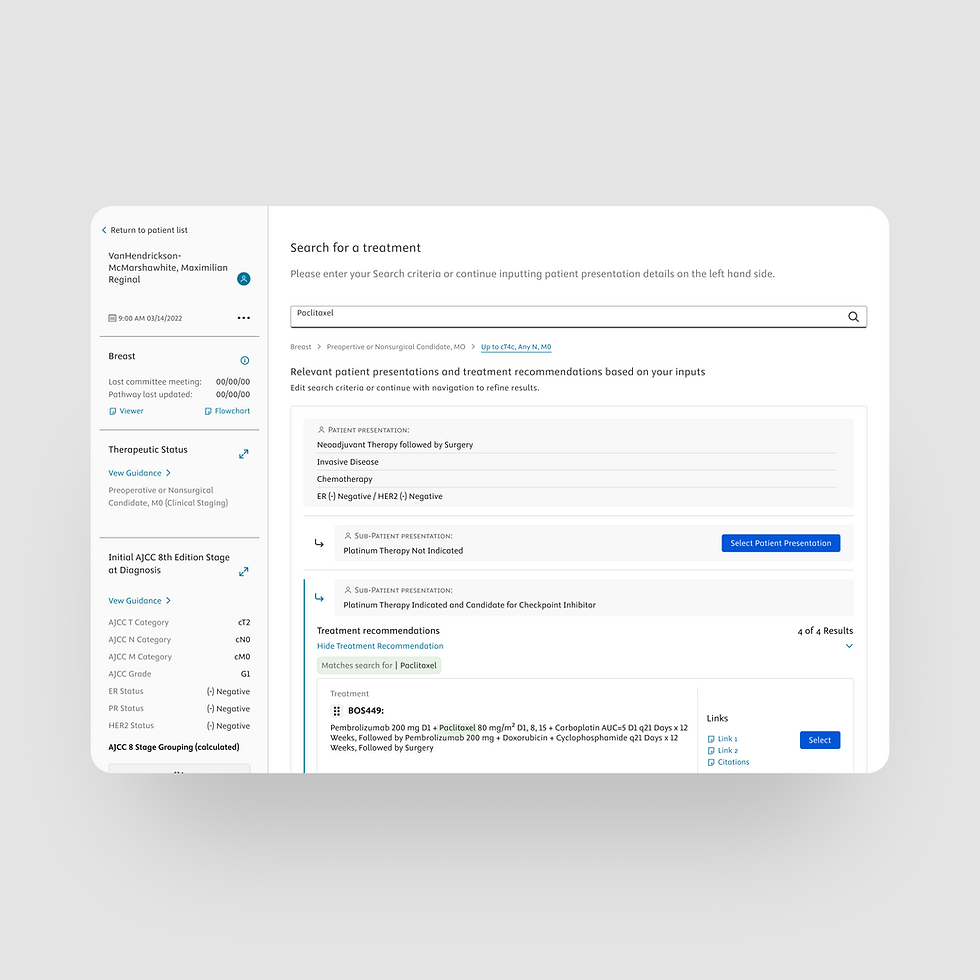
Clinical decision making tool
This case study explores the development and implementation of QuickPath, designed to enhance the search and navigation experience for oncologists, improving workflow efficiency and decision accuracy for oncologists, nurses and support staff.

Medium
TikTok: A UX Perspective
Despite its immense popularity, I was compelled to outline my concerns regarding TikTok’s design practices. In my view, they deviate from best design practices and pose harm to users.

Elsevier
From a list of Questions to a system of Objects
Previously, a user’s journey was pretty straightforward. Now users can start with AI or search, open a reference, use Reading Assistant, jump back to AI, and move between these experiences multiple times. The challenge is figuring out how history should work when the journey is no longer a straight line, but moves across different content and surfaces.

Elsevier
Finding and sorting clinical trials by geographic location
Oncologists and clinical staff can filter trials based on a patient’s criteria, needs, and location, then refine and compare the strongest options. The challenge is helping clinicians quickly narrow down the list while still giving them enough visibility to confidently identify the best fit for their patient.

Elsevier
Iterative Testing and Design
In this case study, I walk through three round of design and usability testing for Elsevier's ClinicalKey for Physician. The flows and feedback focused on core workflows such as prompting, saving, and searching.